THE FORBIDDEN NETWORK

By Books Behind Borders

The Empire Always Edits Its Own Footnotes

Byline: By Maddie · History Every empire keeps two kinds of records: the ones it publishes, and the ones it keeps in a basement somewhere, unindexed, waiting for a researcher patient enough to file the right request. The gap between those two archives is where most of the interesting history actually lives. It’s not usually […]

Support

No Paywall. No Ads. No Publisher.

Every dispatch is free to every reader, always. The Forbidden Network exists entirely because readers like you choose to fund it — pick whatever fits.

Monthly

Reader

$5

/mo

Ongoing support, billed monthly. Cancel any time.

Yearly · Best value

Supporter

$40

/yr

Two months free compared to monthly. Billed once a year.

One time

Give Once

Any amount

A single contribution, no recurring charge. Choose your own amount.

Byline: By Maddie · History

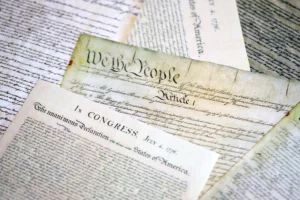
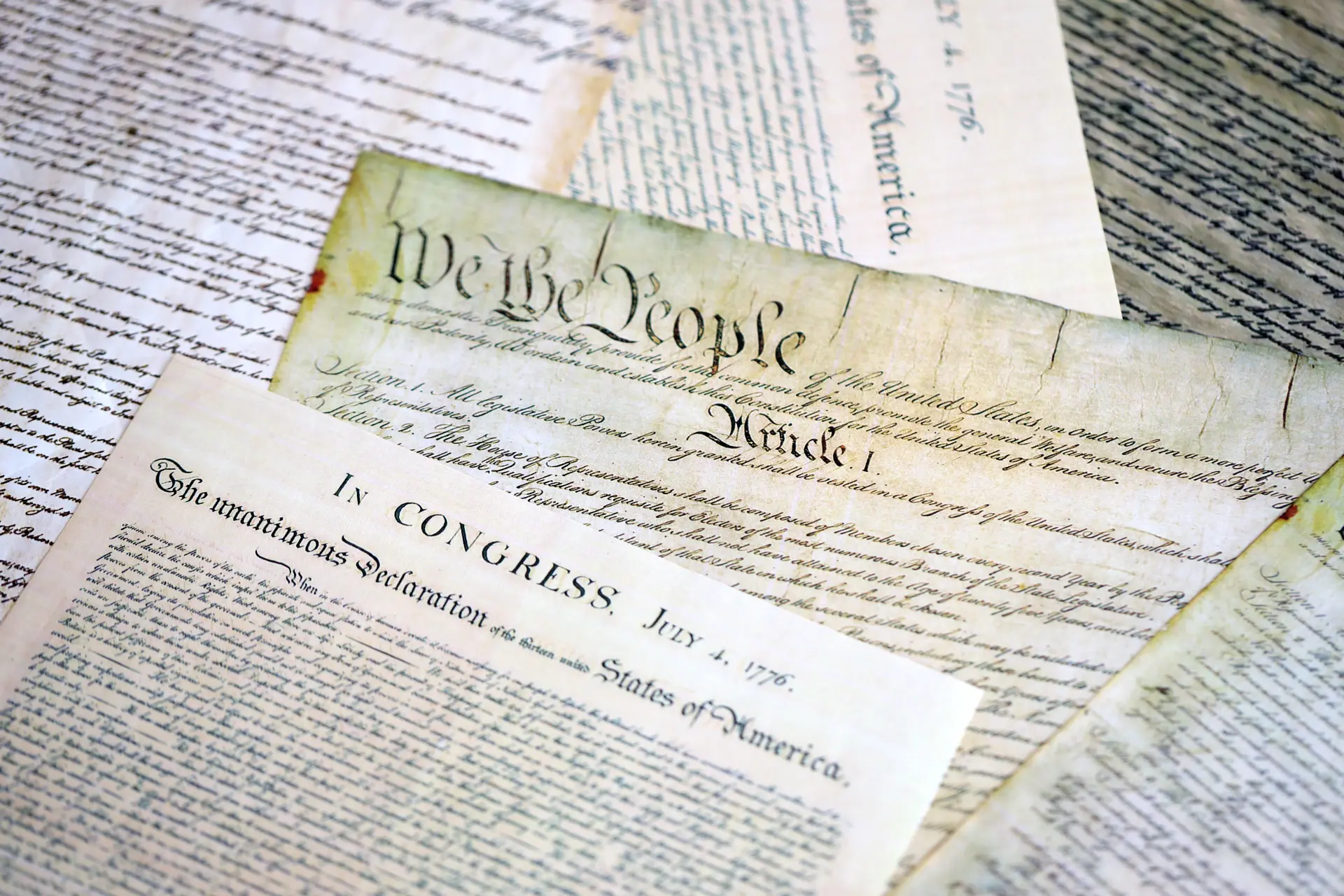
Every empire keeps two kinds of records: the ones it publishes, and the ones it keeps in a basement somewhere, unindexed, waiting for a researcher patient enough to file the right request. The gap between those two archives is where most of the interesting history actually lives.

It’s not usually a matter of outright fabrication. It’s a matter of what gets funded, cataloged, translated, and preserved — and what gets left to rot in a format nobody bothers to digitize. The victors’ side of a conflict tends to end up in a climate-controlled national archive with a full-time staff. The losing side’s paperwork, if it survives at all, tends to end up in a cardboard box in someone’s basement, mentioned once in a footnote of a footnote.

We’ve spent the last several months working through declassified material that only became available in the last decade — material that doesn’t so much contradict the official version of certain events as quietly complicate it, adding names, dates, and decisions that never made it into the textbook version.

None of this is really about “gotcha” moments. It’s about noticing whose paperwork survived, whose didn’t, and asking why. The answer is rarely conspiracy. It’s usually just resources: whoever wins a conflict generally also wins the archive budget, and archive budgets are how history gets written in the long run — one preserved file at a time, one destroyed file at a time.

We’ll be running this as an ongoing series, working through newly declassified material as it becomes available. If you’ve come across a document that seems to complicate an official account of an event, we want to see it.
Leave a Reply

Your email address will not be published. Required fields are marked *

RELEVANT READING

The Novel Written in Exile, Banned at Home,

Byline: By Maddie · Culture There’s a strange pattern in the history of banned literature: the ban is very often what makes the book. A novel that might have quietly found a modest readership becomes, the moment it’s officially prohibited, a smuggled object — copied by hand, passed between readers,

Who Funds the Foundations That Fund the Curriculum?

Byline: By Maddie · Investigations Curriculum decisions are usually presented as the product of neutral expert panels: educators, historians, and subject-matter specialists convened to recommend what students should learn. What’s less often disclosed is who funds the foundations that convene those panels in the first place — and what those

The Empire Always Edits Its Own Footnotes

Byline: By Maddie · History Every empire keeps two kinds of records: the ones it publishes, and the ones it keeps in a basement somewhere, unindexed, waiting for a researcher patient enough to file the right request. The gap between those two archives is where most of the interesting history

SUPPORT MY WORK

I keep my news, investigations, and analysis free and accessible to everyone. If you value my work, your support makes it possible for me to keep doing it. Please like, comment, share, and subscribe.
I’m running a special for $40/year or $5/month.

ONE-TIME DONATION

JOIN FOR FREE